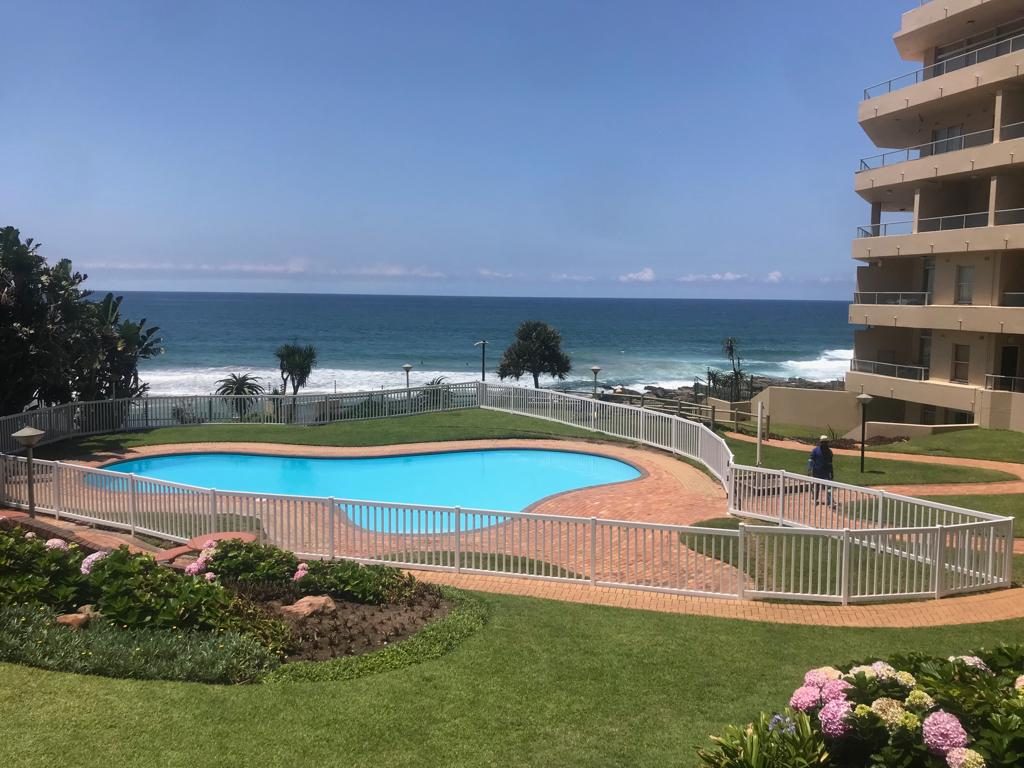
Florida’s Residential Swimming Pool Safety Act requires a barrier around most residential pools, and Lee County enforces this at final inspection for new pools and at resale for existing ones. The most common compliance points inspectors check are self-closing, self-latching gate hardware and a minimum barrier height — both of which need to be built to spec from the start rather than retrofitted.
Because Fort Myers has such a high concentration of pool homes relative to inland Florida markets, pool-adjacent fencing is one of the steadiest year-round categories of fence work in this specific city — it isn’t tied to a construction season the way new-build fencing can be.
What’s typically included
- Code review against current Lee County pool barrier requirements
- Self-closing, self-latching gate hardware
- Material options that meet code without blocking pool visibility (aluminum picket is the most common choice locally)
How Florida’s pool barrier law actually gets enforced
The statute sets minimum standards, but Lee County’s inspectors check specific, concrete details at final sign-off:
- Barrier height — a minimum 48 inches measured from grade, with no gaps large enough for a 4-inch sphere to pass through.
- Gate swing and hardware — gates must swing away from the pool, self-close, and self-latch, with the release mechanism mounted high enough to be out of reach of small children.
- Climbability — horizontal rails or footholds that make the fence easy to climb are flagged during inspection, which is why picket-style vertical designs are preferred over designs with horizontal cross-members on the pool-facing side.
- Door alarms as an alternative — if the home itself forms part of the barrier (a sliding door opening directly to the pool deck), an approved door alarm can sometimes substitute for a full fence segment, but this is inspector-dependent and worth confirming before assuming it applies.
Material options for pool enclosures
- Aluminum picket — the most common choice locally. It doesn’t rust the way steel does in a chlorinated, humid environment, and the open picket style keeps clear sightlines to the pool from the house, which matters for supervision.
- Vinyl privacy or picket panels — used when a homeowner wants the pool area screened from a side yard or neighboring property rather than fully open.
- Mesh pool safety fencing — a removable option sometimes used as an interim or supplemental barrier, though it’s less common as a primary, permanent solution in new installations.
Our installation process
- Code review — we check the specific barrier requirements that apply to your pool’s configuration and property before quoting, since requirements shift based on whether the home itself contributes to the barrier.
- Layout and post placement — posts are set to maintain the 4-inch-sphere spacing rule along the full perimeter, including around existing landscaping and pool equipment.
- Gate installation and testing — self-closing hinges and self-latching hardware are installed and function-tested on-site, not just installed to spec on paper.
- Final walkthrough — we walk the barrier with the homeowner and point out anything that could trip up a resale inspection down the road, like a low retaining wall or planter that could be used as a step-up point near the fence line.
Maintenance and care
- Test the gate’s self-close and self-latch function monthly — this is the single most common item that fails a resale pool inspection, usually because hinge tension has loosened over time.
- Rinse aluminum picket sections periodically to clear pool chemical residue and salt air film, especially near the coast.
- Keep landscaping trimmed back from the barrier line — plant growth against or over a pool fence is a common code violation flagged at resale.
What affects your price
Cost scales primarily with total perimeter length and gate count, since each gate requires code-compliant self-closing hardware. Material choice matters too — aluminum picket and vinyl are priced differently per foot, and a fence that also needs to double as a property-line boundary (not just a pool barrier) will run longer, and cost more, than a fence built tight around just the pool deck.
The photo above is a style example illustrating this type of pool barrier fencing, not a completed project at a Fort Myers address. Real project photos will be added as local jobs are completed.
Get a quote
Fill out the form on this page or call to schedule a free on-site estimate.